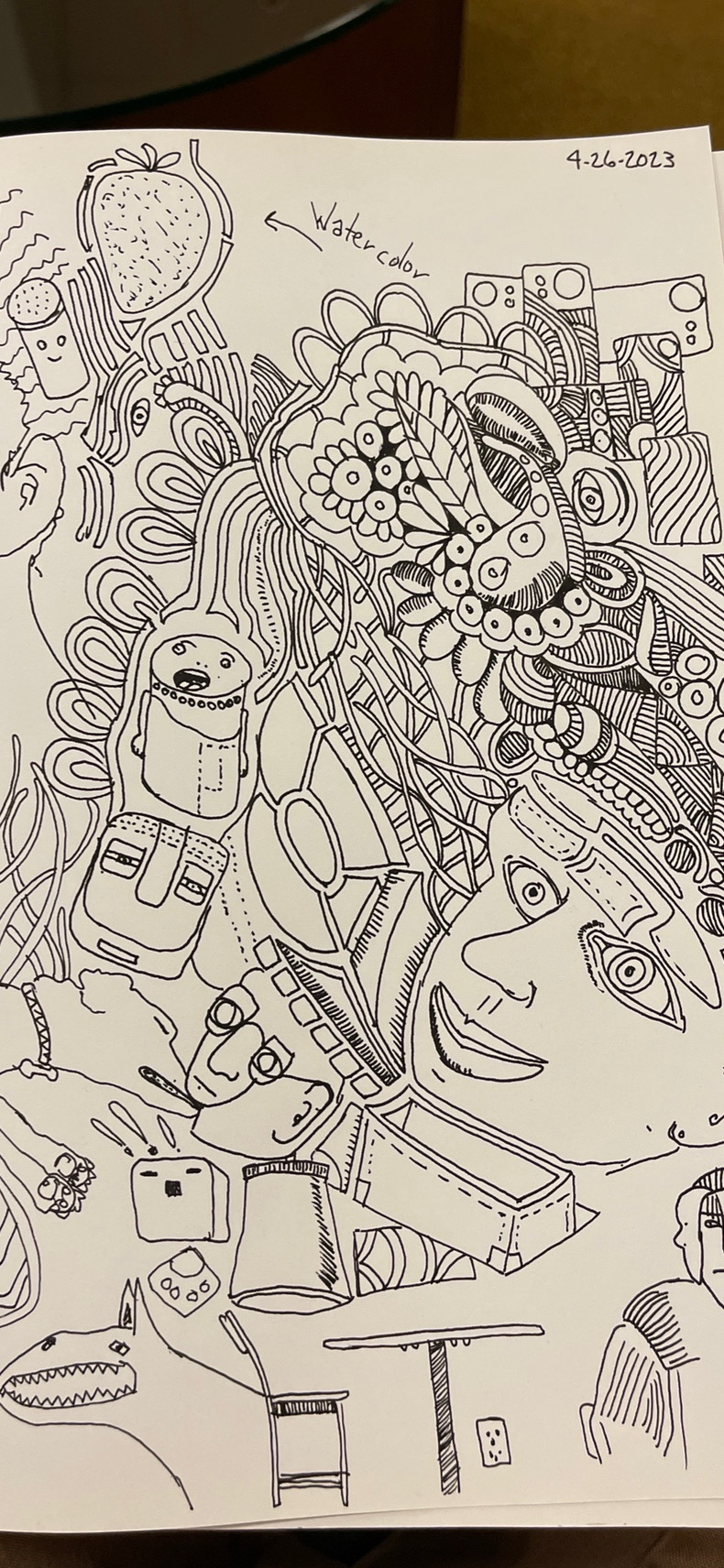
Art Posts

Learning From Life

What’s the best piece of advice you’ve ever received?

Some of the best advice I got early on in life was to listen more and talk less.

As I served by time in the Army listening became a crucial skill to communication with others.

As I got married and had kids listening helped me understand what they needed from me.

As I lost my first wife to a tragic accident listening helped me and others around me deal with the loss.

As I eventually remarried to a wonderful woman and partner in life we used listening and talking to slowly build our relationship.

Always listen and you will learn a great many things in life.

Steaks, Steaks and more Steaks plus Seafood.

What are your favorite types of foods?

I grew up very poor and did not even know about steaks or about charcoal grills. I was at a friends house in my late teens and their father was going to grill steaks and asked his boys if I was eating supper with them tonight.

The rest was history. I devoured that steak and I was hooked for life. I have had many steaks over the last 50+ years at various restaurants, but my father-in-law and myself probably cook the best steaks we have had.

I love seafood like shrimp, lobster, scallops and oysters. Some of the best oysters I have eaten came from the Apalachicola area around Saint George Island.

Leadership and the way forward…

Do you see yourself as a leader?

Leadership is a hard “value” to nail down. I feel like a leader some days and some days I just want to go with the crowd and see the day done and enjoy my friendships and my life. God bless those who lead each and every day and give them compassion and understanding. Amen!

Time for a Creative Pursuit

Finding time for creative pursuits like drawing and painting with watercolors can be a wonderful way to express yourself and engage in a fulfilling hobby. Here are some tips to help you make time for your creative endeavors:

  • Prioritize and schedule: Assess your daily or weekly routine and identify pockets of time that you can dedicate to your artistic pursuits. It could be early mornings, evenings, weekends, or any other time that works best for you. Once you determine your available time slots, schedule them in your calendar as dedicated art sessions.
  • Make it a habit: Consistency is key when it comes to nurturing your creativity. Aim to establish a regular practice by setting aside a fixed time each day or week specifically for drawing and painting. Treat it as a non-negotiable appointment with yourself.
  • Embrace small sessions: If finding large blocks of time is challenging, don’t underestimate the power of short, focused drawing or painting sessions. Even 15 minutes a day can add up over time and help you maintain a creative rhythm.
  • Create a dedicated workspace: Set up a designated area where you can keep your art supplies readily accessible. Having a dedicated space not only helps you stay organized but also makes it easier to jump into your creative process whenever you have a few spare moments.
  • Combine art with other activities: Look for opportunities to integrate art into your daily life. For example, you can carry a portable watercolor set and a sketchbook with you and use your lunch breaks or commuting time to create quick sketches or studies.
  • Limit distractions: Minimize distractions during your creative time. Put away your phone, turn off notifications, and create a quiet and focused environment that allows you to immerse yourself in the process.
  • Set goals and projects: Having a specific goal or project in mind can provide motivation and structure to your artistic practice. It could be working on a series of watercolor landscapes, practicing a particular technique, or creating a themed collection. Breaking your larger goals into smaller milestones can help you stay motivated and track your progress.
  • Seek inspiration: Explore various sources of inspiration to keep your creativity flowing. Follow artists on social media, join art communities, visit art galleries, read art books, or even spend time in nature to gather ideas and fuel your artistic imagination.

Remember, the key is to find joy and fulfillment in the process of creating. Embrace your creativity, experiment, and allow yourself to explore different techniques and subjects with watercolor painting. Enjoy the journey and don’t be too hard on yourself. Happy painting!

A New Place For ART

As a homeowner, creating an inviting outdoor space is a great way to enhance the beauty and value of your property. A paver patio with decorative lighting and flower beds is an excellent addition to any home. In this article, we’ll discuss the process of building a new paver patio, adding decorative lighting, and creating flower beds from the homeowner’s perspective.

Step 1: Planning

The first step in building a new paver patio is planning. Start by identifying the area where you want to create the patio. Consider factors such as the size, shape, and location of the patio. Think about the purpose of the patio and how you plan to use it. Do you want it for entertaining, cooking, or relaxation? Also, take into account any existing landscaping or structures in the area that may need to be removed or relocated.

Step 2: Design

Once you’ve determined the location and purpose of your patio, it’s time to start designing it. You can hire a professional landscaper or use online design tools to help you plan your patio’s layout. Consider factors such as the shape, size, and type of pavers you want to use. You can choose from a variety of paver materials, such as concrete, brick, or natural stone, each with their own unique look and feel.

Step 3: Preparation

Before you begin building your patio, you need to prepare the area. This includes removing any grass or vegetation, leveling the ground, and installing a base layer of gravel and sand. It’s important to take your time and make sure the area is properly prepared before moving on to the next step.

Step 4: Installation

With the area prepared, it’s time to begin laying the pavers. Start at one corner and work your way outwards, making sure the pavers are level and tightly fitted together. You can use a rubber mallet to gently tap the pavers into place. Once all the pavers are in place, add a layer of sand over the top and sweep it into the joints between the pavers to hold them in place.

Step 5: Decorative Lighting

Once your patio is complete, it’s time to add some decorative lighting. You can use a variety of lighting options, such as string lights, spotlights, or lanterns, to create a warm and inviting atmosphere. Be sure to choose lighting that is weather-resistant and can withstand the elements.

Step 6: Flower Beds

To add some color and beauty to your patio area, consider adding some flower beds. You can use a variety of plants, such as perennials, annuals, or succulents, to create a stunning display. Be sure to choose plants that are appropriate for your climate and soil type. You can also add some decorative rocks or mulch to help keep the soil moist and prevent weeds from growing.

In conclusion, building a new paver patio with decorative lighting and flower beds is an excellent way to enhance the beauty and value of your home. By following these simple steps and planning carefully, you can create a stunning outdoor space that you and your family will enjoy for years to come


Watercolor: Just Start Painting

Watercolor painting can be a wonderful and rewarding experience for beginners, and it all starts with learning how to apply the base color. Here are some tips to get you started:

  1. Choose your paint and paper: Watercolor paints come in different forms – tube, pan, and liquid – and paper quality can vary as well. As a beginner, it’s best to start with student-grade paints and paper until you get more comfortable with the medium.
  2. Prep your workspace: Cover your workspace with a plastic sheet or newspaper to protect it from spills. Fill your water container with clean water and have a paper towel or rag nearby to blot your brush.
  3. Mix your paint: Start by mixing your paint to the consistency you want. Add a small amount of water to the paint to create a thin consistency or keep it thicker for more saturated color.
  4. Apply the base color: With a clean brush, apply the base color to the paper. Start with light brushstrokes and gradually build up the color. Be careful not to overwork the paper, as this can cause it to pill or tear.
  5. Let it dry: Once you’ve applied your base color, let it dry completely before adding any other colors or details. This can take anywhere from a few minutes to several hours, depending on the humidity and temperature.

Remember, watercolor painting takes practice, so don’t be discouraged if your first attempts don’t turn out exactly as you’d hoped. Experiment with different paints, papers, and techniques, and most importantly, have fun with it!

My Journey with Watercolor Painting


Hello everyone! Welcome to my blog where I share my passion for art and creativity. Today I want to talk about my experience with watercolor painting, a medium that I have been exploring for the past few months.

I have always loved the look of watercolor paintings, especially the ones that capture the beauty of nature with soft and vibrant colors. However, I was intimidated by the idea of using watercolors myself, as I heard they were difficult to control and unpredictable. I was afraid of making mistakes and ruining my paintings.

But then I discovered Winsor & Newton Cotman Watercolor Half Pan Paints, a range of watercolors that are designed to be accessible, affordable and uncompromising on quality. They use fine art pigments with reduced pigment load than the professional range, making them easier to blend and mix. They also have good tinting strength and lightfastness, meaning they won’t fade over time.

I decided to give them a try and bought a set of 45 half pans, which came in a compact and lightweight case that was perfect for traveling and painting outdoors. The set included a variety of colors that I could use to create different moods and effects, such as Lemon Yellow Hue, Cadmium Red Hue, Ultramarine, Viridian Hue, Burnt Sienna and Payne’s Gray.

I was amazed by how easy and fun it was to use these watercolors. They were smooth and creamy, and they flowed well on the paper. They also dried quickly, which allowed me to layer and glaze without lifting the previous washes. I learned how to create different textures and techniques with watercolors, such as wet-on-wet, dry brush, splattering and lifting.

I also discovered that watercolors are not as unforgiving as I thought. In fact, they are very forgiving if you know how to work with them. For example, if I made a mistake or wanted to change something, I could simply use a clean damp brush or a tissue to lift off the unwanted paint. Or I could use a darker color or a metallic watercolor¹ to cover it up or add some interest.

One of my favorite colors from the Cotman range is Permanent Rose, a bright rose violet that is transparent and quinacridone-based. It is a versatile color that can be used for flowers, skies, shadows and more. It also mixes well with other colors to create beautiful purples, oranges and browns.

I have been having a lot of fun with watercolor painting. It has become one of my favorite hobbies and a way to express myself creatively. I love how watercolors can capture the mood and atmosphere of a scene with just a few strokes and washes.

If you are interested in trying watercolor painting yourself, I highly recommend Winsor & Newton Cotman Watercolor Pan Paints. They are affordable, high-quality and easy to use. You can find them online or at your local art store.

Thank you for reading my blog post. I hope you enjoyed it and found it inspiring. If you have any questions or comments, feel free to leave them below. And don’t forget to subscribe to my blog for more updates on my art journey.

Happy painting!